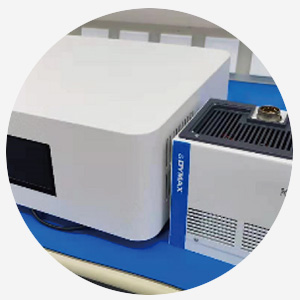
Adhesive, Techniques, Equipment, Consumables, fully meet customers' needs

Keeping up with the new trends of industrial development and constantly exploring new demands
Gradually diversify the product line and customize products according to customers' special needs

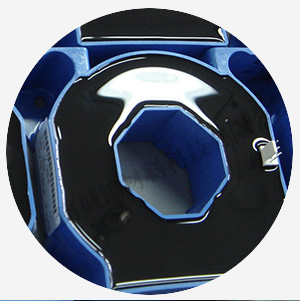
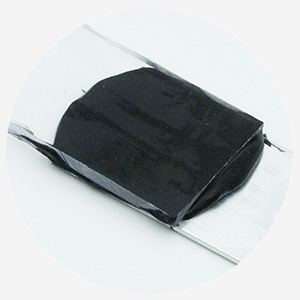
Wacker 9649TC Thermal Filler 4-watt Thermal Adhesive 9649TC A/B

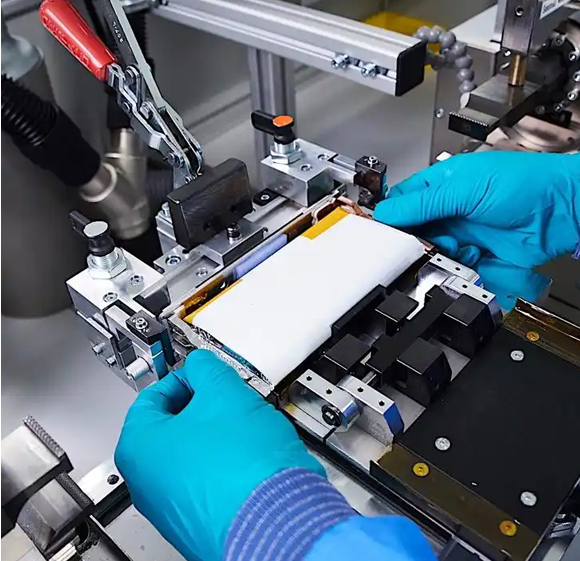
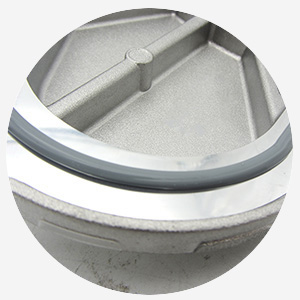
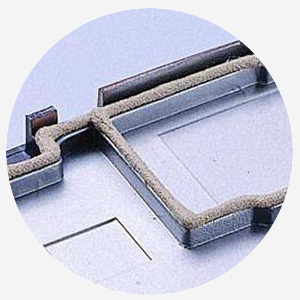
Wacker SEMICOSIL 9649TC A/B is a two-component room temperature cured silicone thermal conductive joint filler with low stress, soft and self-adhesive surface, low density, and thermal conductivity of 4.0W/mK. It can be used for thermal conductive joint filling of new energy vehicle components

Key Features:

Organic silicon thermal conductive sealant
Low stress, soft and self-tacky surface
Two component, room temperature curing
4.0 W/mK thermal conductivity

Application Industry

Automobile, general industry

Application products:

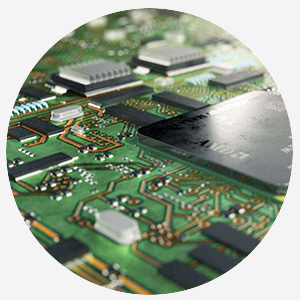
Controller thermal conductivity, chip heat dissipation
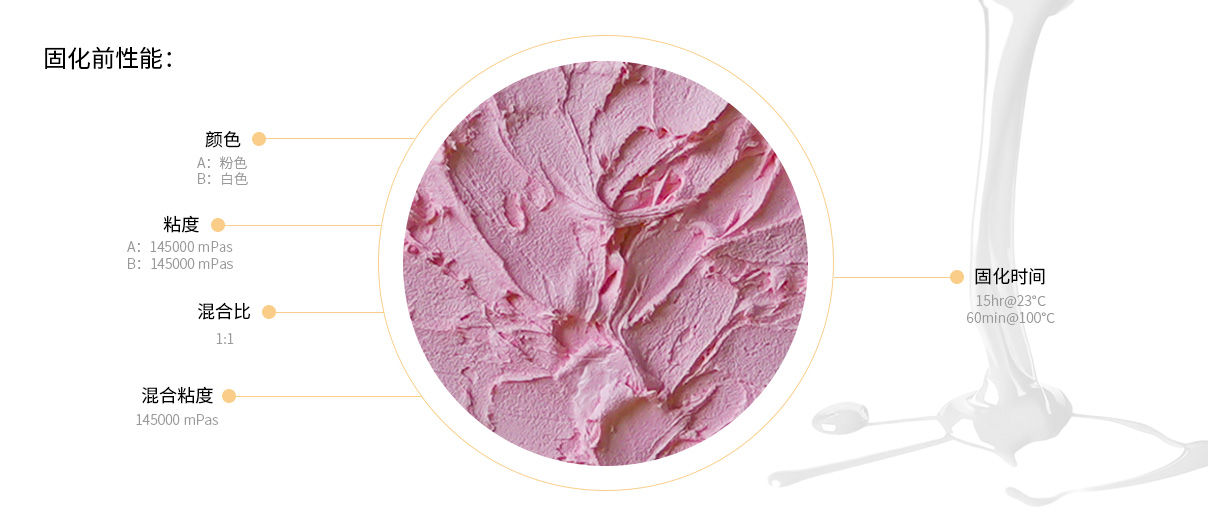
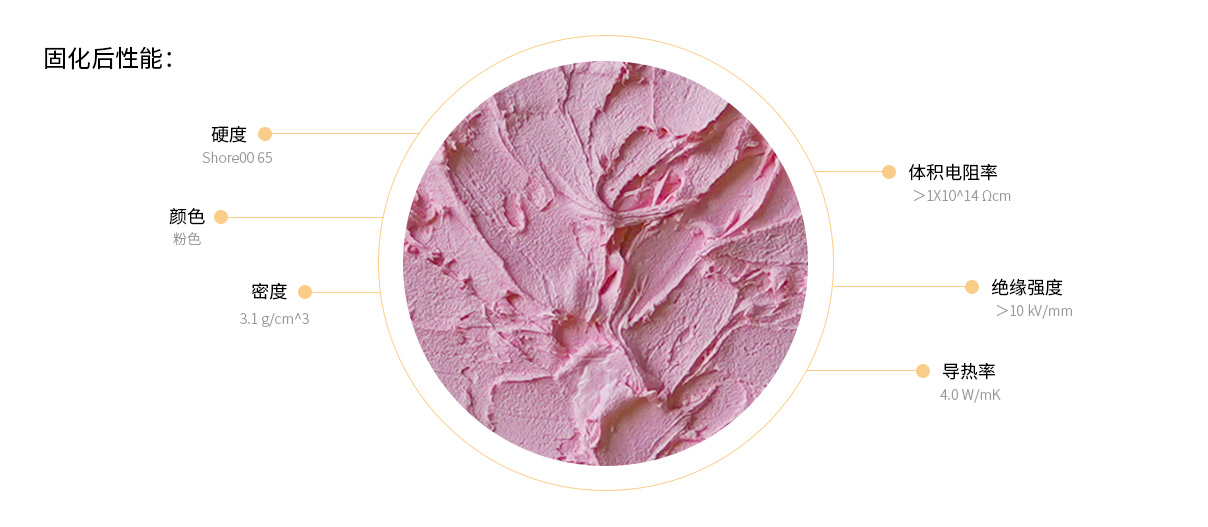
Product performance

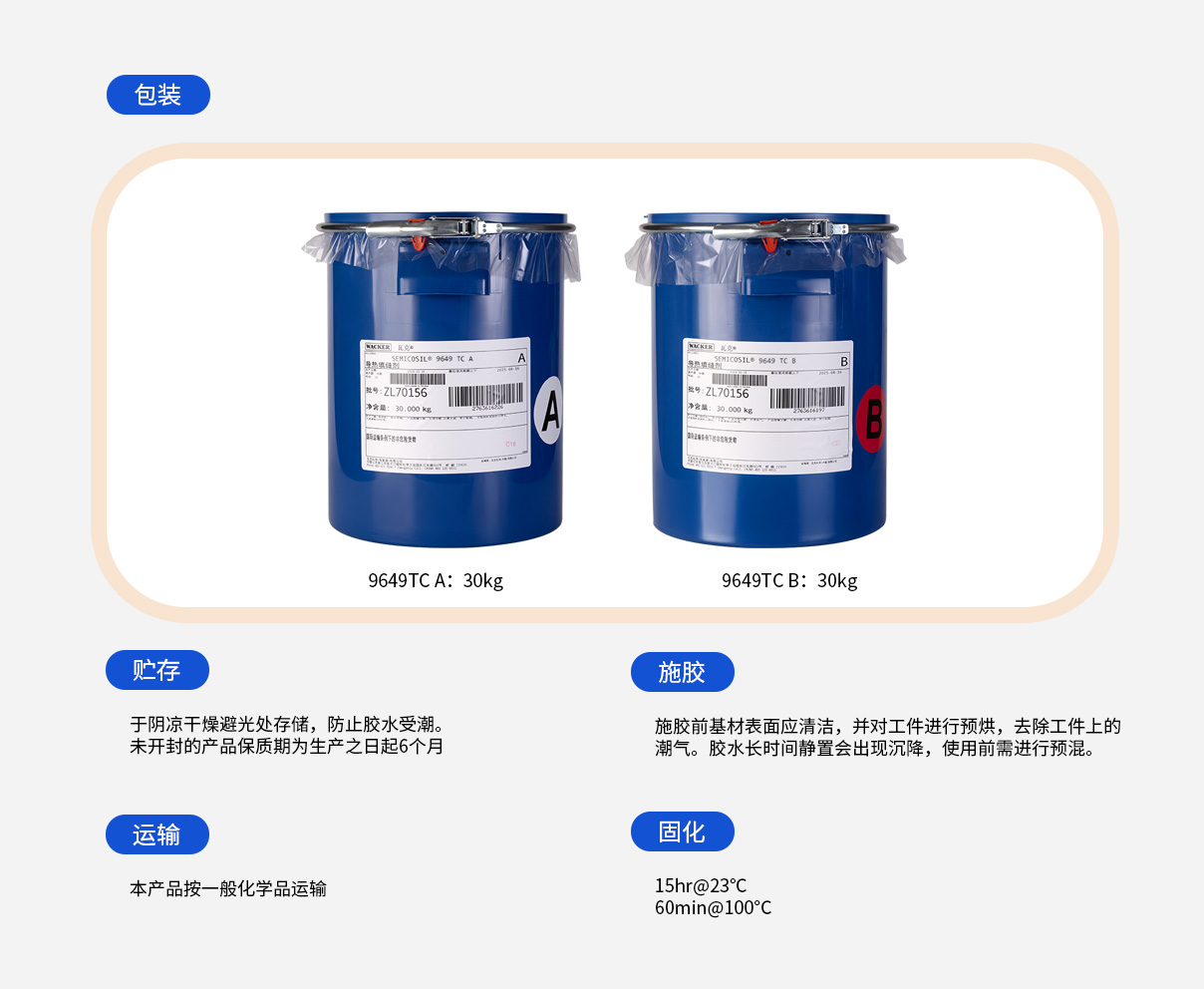
Instructions for Use

使用说明

The issue that everyone is concerned about

上海铭诚锦解析高导热环氧灌封胶与耐高温环氧灌封胶的核心区别:导热系数、Tg、长期耐温与应用场景不同,...

2026-09-20
MORE

上海铭诚锦解析高导热环氧灌封胶与耐高温环氧灌封胶的核心区别:导热系数、Tg、长期耐温与应用场景不同,...

2026-09-20
MORE

上海铭诚锦结合一线经验,拆解变压器磁芯粘接胶的市场与技术趋势:磁芯粘接正从辅助耗材变成决定变压器可靠...

2026-09-05
MORE

常见问题(FAQ)

问:导热胶/导热脂主要有哪些类型?

答:常见有导热硅脂、导热硅胶(垫片/凝胶)、导热环氧与导热聚氨酯等。非硅导热脂(如 CSTCG 系列)避免硅油迁移污染;导热垫片便于贴合装配;导热环氧兼顾粘接与散热。

问:导热系数(W/mK)越高越好吗?

答:不一定。高导热往往伴随更高硬度、更低绝缘性或更高成本。应结合芯片功率密度、界面间隙与装配压力选择,重点是降低整体热阻(界面接触电阻常比材料本体更关键)。

问:非硅导热脂与硅系导热材料怎么选?

答:对光学器件、传感器等怕硅油污染的场景选非硅导热脂;普通功率器件可用硅系以获更好润湿与长期稳定性。非硅体系(如 10W/mK 高导热脂)可在 -54~+150℃ 长期工作,适合消费电子与家电芯片散热。

问:导热界面材料施工需要注意什么?

答:关键是排除界面空气、保证均匀薄层。施工前清洁表面,控制涂覆/贴合压力使材料充分润湿;避免过量导致溢胶短路或厚度不均。自动化点胶可提升一致性与良率。

问:导热材料如何兼顾绝缘与散热?

答:功率器件常要求既导热又绝缘。应选电绝缘达标(高体积电阻、高耐电压、高 CTI)的导热材料,并验证在工况温度下的介电性能,避免热路径与电气隔离冲突。

Copyright: Shanghai Maxcess Materials Technology Co., Ltd Record number: Shanghai ICP No. 11019525-1sitemap

Online Message
service hotline

service hotline

400-1088-620

WeChat consultation
微信二维码
Back to top